tree services: A Practical Guide for December
Tree services encompass a range of tasks including tree trimming, removal, and planting. Understanding these services can help you maintain the health and aesthetics of your landscape.
In this guide, you will learn about different tree services, when to consider them, and how to choose the right provider. This knowledge can help you make informed decisions and ensure your trees remain healthy and safe.
What Are the Main Types of Tree Services?
Tree services include several key tasks that cater to the needs of homeowners. The primary services are tree trimming, tree removal, stump grinding, and tree planting. Each service addresses different aspects of tree care and maintenance.
1. **Tree Trimming & Pruning**: This involves the selective removal of branches to improve tree health and appearance. 2. **Tree Removal**: Necessary when a tree is dead, diseased, or poses a safety risk. 3. **Stump Grinding**: This process removes the remaining stump after a tree has been cut down, preventing regrowth and creating a smooth surface. 4. **Tree Planting**: This service helps in introducing new trees to your landscape, enhancing beauty and providing environmental benefits.
- Tree Trimming & Pruning
- Tree Removal
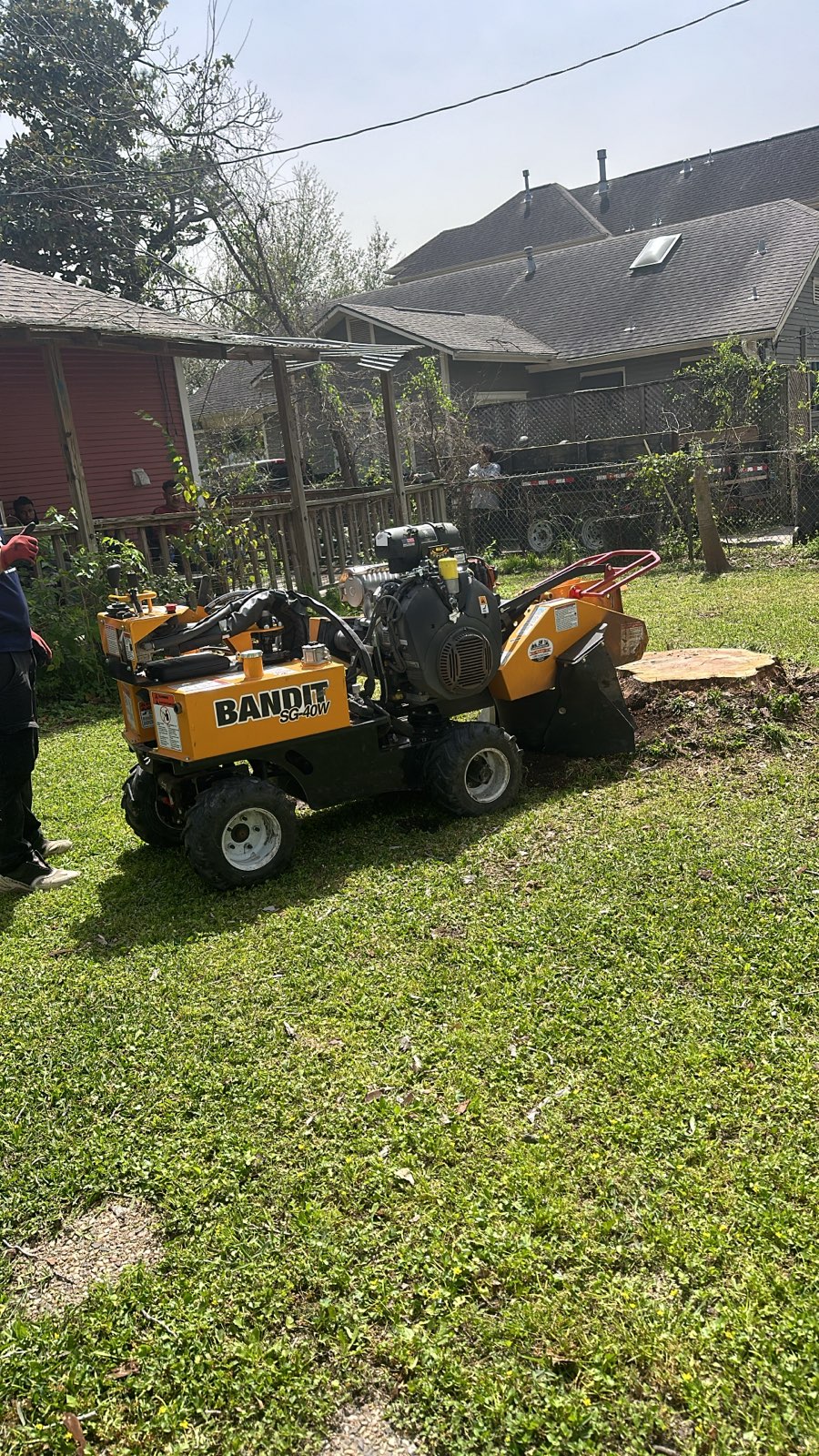
- Stump Grinding
- Tree Planting
Why Is Tree Care Important?
Proper tree care is vital for maintaining the health of your yard and ensuring the safety of your home. Healthy trees can increase property value and improve air quality.
Neglecting tree maintenance can lead to hazards such as falling branches or uprooted trees, especially during storms. Regular trimming and monitoring can prevent these risks.
- Enhances property value
- Improves air quality
- Prevents hazards from dead branches
- Promotes healthy growth
Regular tree care not only prevents hazards but also enhances the overall ecosystem of your yard. For instance, healthy trees provide habitat for local wildlife and improve soil quality through leaf litter. To ensure your trees thrive, check for signs of disease, such as discolored leaves or unusual growth patterns. A practical checklist includes: inspecting for pests, assessing tree stability, and evaluating the canopy for dead or crossing branches. Scheduling annual evaluations with a professional can help catch issues early, preventing costly removals or repairs later.
Additionally, proper tree care can help manage water usage in your yard. Well-maintained trees can improve soil moisture retention, reducing the need for irrigation. This is especially important in areas prone to drought. By investing in regular tree trimming and health assessments, you not only promote robust growth but also contribute to more sustainable landscaping.
When Should You Consider Tree Services?
Timing is crucial for effective tree care. Here are some signs that indicate you should consider professional tree services.
1. **Overgrown branches**: If branches are touching your home or power lines, it’s time for trimming. 2. **Dead or diseased trees**: Look for signs like peeling bark or fungal growth. 3. **Stumps in the yard**: These can be unsightly and pose a tripping hazard.
- Branches touching structures
- Dead or diseased trees
- Visible stumps
Consider tree services if you notice changes in your trees' health or structure. For example, if you see mushrooms growing at the base of a tree, it may indicate root rot. Additionally, if your tree has developed a significant lean, it could be at risk of falling, especially during storms. Inspect the tree's trunk for cracks or splits, and check for excessive canopy dieback. If any of these signs are present, it's wise to consult a professional to assess the situation before it becomes a larger issue.
- Mushrooms or fungi at the base of the tree
- Cracks or splits in the trunk
- Excessive leaning of the tree
- Canopy dieback or yellowing leaves
- Branches that are dead or broken
Regular inspections can help catch these issues early, preventing more serious damage and ensuring the health of your trees.
How Does the Tree Service Process Work?
The tree service process typically follows these steps: 1. **Consultation**: A professional assesses your trees and provides recommendations. 2. **Service Agreement**: You’ll receive a detailed estimate and timeline. 3. **Execution**: The team performs the agreed services, ensuring safety protocols are followed.
Post-service, it’s essential to monitor the health of your trees, especially after major work like removal or trimming.
- Consultation with a professional
- Service agreement and estimate
- Execution of the services
- Post-service monitoring
During the consultation, the tree service professional will evaluate not just the trees but also the surrounding landscape. They may check for signs of disease, pest infestations, or structural issues that could affect the health of your trees. It's important to communicate any concerns you have about your trees or yard. After the service, follow their advice on care, which may include watering schedules or fertilization tips. For example, if a tree was heavily pruned, maintaining adequate moisture can help it recover more quickly.
- Discuss your specific tree concerns
- Ask about the health of surrounding plants
- Inquire about post-service care
- Request a follow-up consultation
- Check for any visible signs of damage after service
What Factors Affect the Cost of Tree Services?
Understanding the factors that influence the cost of tree services can help you budget effectively. Key considerations include:
1. **Type of service needed**: Removal tends to be more expensive than trimming. 2. **Size and location of the tree**: Larger trees or those in hard-to-reach areas may incur higher costs. 3. **Condition of the tree**: Dead or diseased trees require more careful handling.
- Type of service
- Size and location of the tree
- Condition of the tree
4. **Accessibility**: If a tree is near power lines, structures, or other obstacles, additional precautions may be needed, which can increase costs. 5. **Debris Removal**: Services often include cleanup after work is done. If you opt for debris removal, this will add to your total. 6. **Seasonality**: Demand for tree services can vary by season. For example, spring and summer are popular times for pruning, which may affect pricing and availability.
Consider a scenario: if you have a large oak tree that needs trimming and is located close to your house, the tree service will need to take extra care to avoid damage. This could mean using specialized equipment or bringing in more workers, which could raise the cost.
How to Choose a Tree Service Provider?
Selecting the right tree service provider is crucial for quality work. Here are some tips to guide your decision.
1. **Check licenses and insurance**: Ensure the provider is licensed and insured to protect yourself from liability. 2. **Read reviews**: Look for customer feedback to gauge service quality. 3. **Ask for estimates**: Get multiple quotes for comparison.
- Check licenses and insurance
- Read customer reviews
- Ask for multiple estimates
4. **Evaluate their equipment**: Ask about the tools and machinery the provider uses. Modern equipment can enhance safety and efficiency. For example, a company with a wood chipper can quickly dispose of debris, minimizing cleanup time. 5. **Inquire about their safety practices**: A reputable tree service should prioritize safety. Check if they follow industry standards and have a safety plan in place. This can include wearing proper protective gear and having a first aid kit on-site. 6. **Look for experience with specific tree types**: If you have unique species on your property, ensure the provider has experience handling them.
Frequently Asked Questions
What should I look for in a tree service provider?
Look for licensed and insured professionals with positive reviews. Experience and local knowledge are also important.
How often should I trim my trees?
Typically, trees should be trimmed every 3-5 years, but it can vary based on tree species and growth rate.
What are the signs of a dying tree?
Signs include wilting leaves, dead branches, and fungus growth. If you notice these, consult a professional.
Is tree removal necessary?
Not always, but if a tree is dead or poses a risk to property or people, removal is often the safest option.
Can I do tree work myself?
While minor tasks like pruning can be DIY, major work like removal is best left to professionals for safety reasons.
Contact Contreras Tree Services for Expert Help
If you need assistance with tree services, reach out to Contreras Tree Services. Our experienced team is ready to help you maintain your trees and enhance your landscape.
The key takeaway is that regular tree maintenance is essential for the health and safety of your landscape. Whether you need tree trimming, removal, or planting, professional help can make a significant difference. If you're unsure about the right services for your trees, contact Contreras Tree Services. Our knowledgeable team is here to provide expert guidance and ensure your trees thrive.