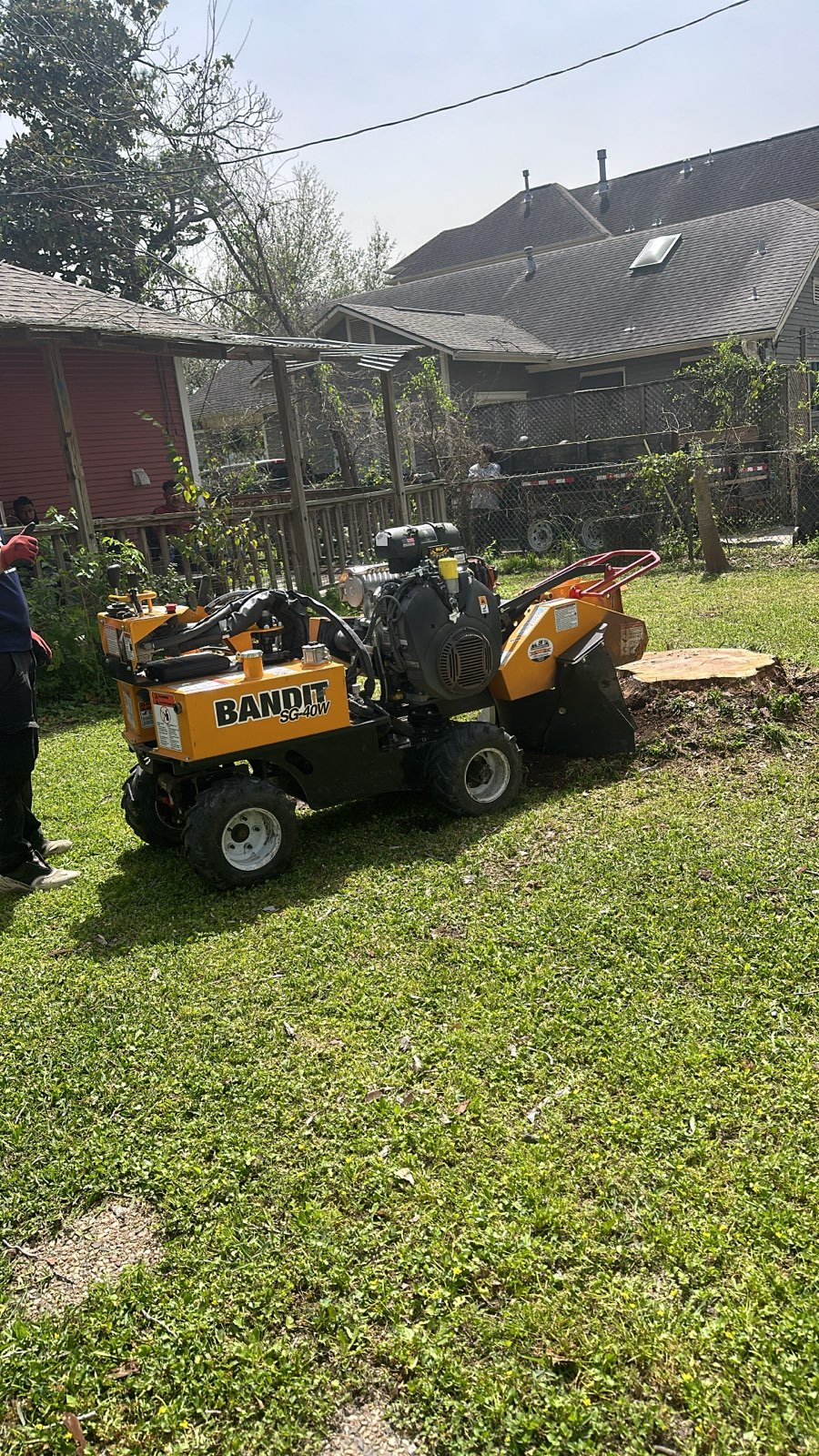
Best Practices for Tree Trimming & Pruning
Tree trimming and pruning are essential practices for maintaining the health, aesthetics, and safety of trees. This guide will explore best practices, benefits, and tips for effective tree care. Whether you are a homeowner or a professional, understanding these techniques will ensure your trees thrive.
Understanding Tree Trimming and Pruning
While often used interchangeably, tree trimming and pruning serve different purposes. It's crucial to understand these differences to implement the right techniques for your trees.
What is Tree Trimming?
Tree trimming primarily focuses on maintaining the aesthetic appeal and overall shape of a tree. It involves removing excess branches and foliage to promote healthy growth and improve the tree's appearance.
What is Tree Pruning?
Tree pruning, on the other hand, is a more specialized practice aimed at enhancing the tree's health. This process involves removing dead, diseased, or damaged branches to encourage new growth and prevent potential hazards.
Benefits of Tree Trimming and Pruning
- Improves tree health by removing dead or diseased branches.
- Enhances the tree's aesthetic appeal and shape.
- Promotes better air circulation and sunlight penetration.
- Reduces risks of falling branches and related hazards.
- Encourages new growth and fruit production.
Best Practices for Tree Trimming
Here are some best practices to follow when trimming trees:
- Start with a clean set of tools to ensure precision and prevent disease spread.
- Trim during the tree's dormant season for optimal recovery.
- Identify the tree's natural shape before beginning to cut.
- Avoid cutting more than 25% of the tree's foliage in one season.
- Make clean cuts at the right angle to promote healing.
Best Practices for Tree Pruning
When it comes to pruning, consider the following best practices:
- Inspect the tree for signs of disease or damage before pruning.
- Use proper techniques like the three-cut method for larger branches.
- Remove branches that cross or rub against each other.
- Always prune at the branch collar to facilitate healing.
- Prune at the right time – ideally during late winter or early spring.
Common Mistakes to Avoid
Avoiding common mistakes can help ensure the health and safety of your trees:
- Over-pruning or trimming too much foliage.
- Ignoring the tree's natural growth pattern.
- Using dull tools that cause tearing.
- Pruning at the wrong time of year.
- Neglecting safety precautions, such as using ladders or protective gear.
When to Call a Professional
While many tree trimming and pruning tasks can be handled by homeowners, certain situations warrant professional assistance:
- If the tree is overhanging power lines.
- When dealing with large or heavy branches.
- If you suspect the tree is diseased.
- For high or hard-to-reach areas.
- When you lack the proper tools or experience.
Conclusion
Tree trimming and pruning are essential for maintaining healthy and beautiful trees. By understanding the differences between these two practices and following best practices, you can ensure the longevity and vitality of your trees. Whether you choose to do it yourself or hire professionals like Contreras Tree Services, proactive tree care is key to enjoying a vibrant landscape.